
News
Contact Us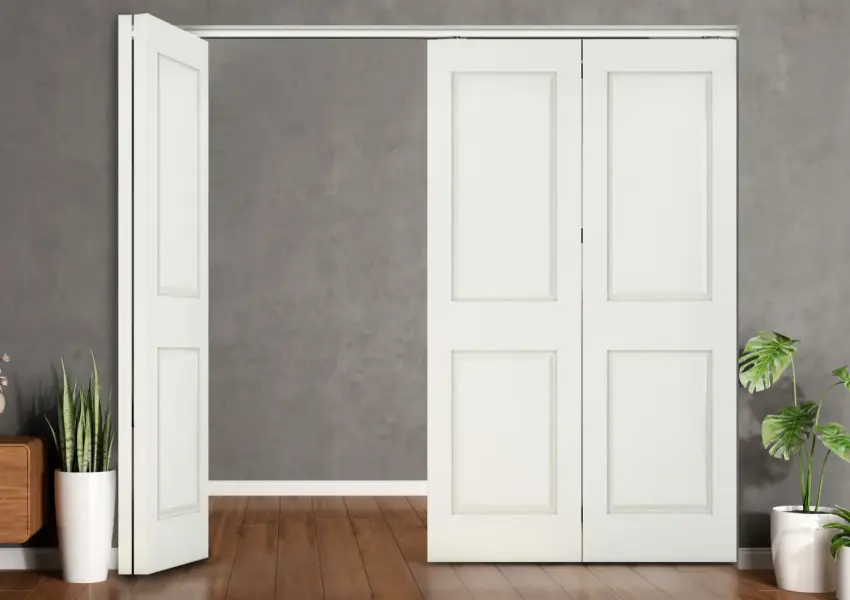
01
JULY
Top 5 Hidden Details to Check Before Buying Wood Interior Doors
Discover the top 5 hidden details to check before buying wood interior doors—core type, finish, stability, hardware compatibility, and environmental certifications for project buyers.
24
JUNE
Top 5 Things to Check Before Buying Interior Sliding Doors
Discover the top 5 things to check before buying interior sliding doors. Expert tips on hardware, materials, tracks, and OEM/ODM planning for project buyers.
16
JUNE
Sliding Pocket Door Systems: Space-Saving Design, Hardware, and Installation Tips
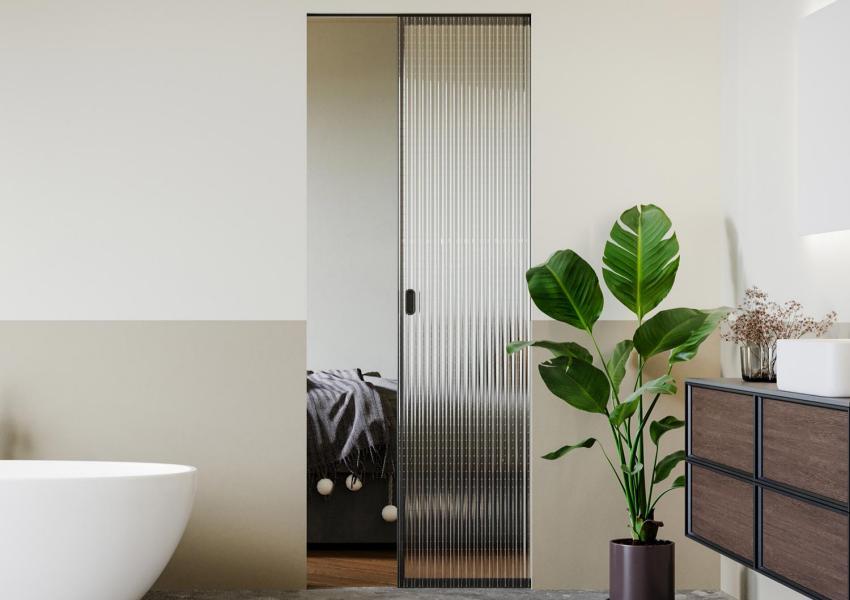
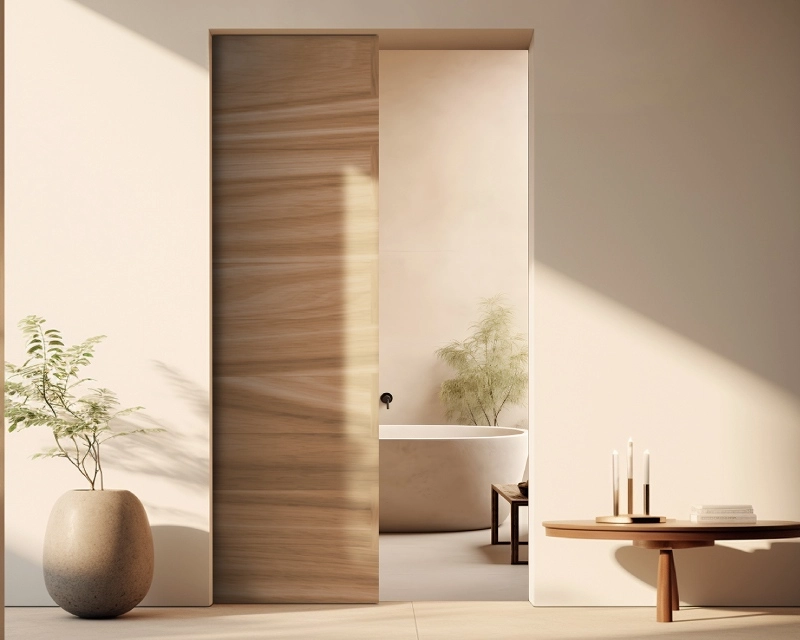
Discover how sliding pocket door systems save space with expert tips on hardware, track design, wall prep, and installation for modern interiors.
16
JUNE
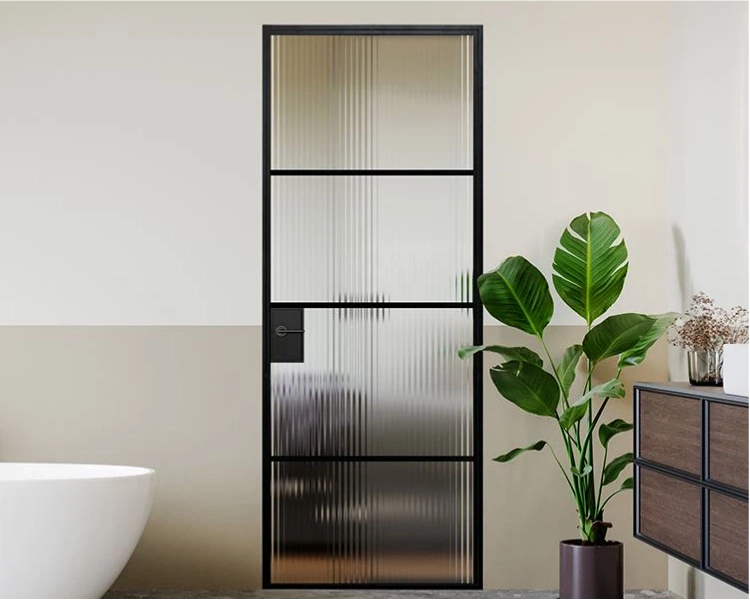
Why Metal Frame Glass Doors Are Popular in Modern Architecture
Discover why metal frame glass doors are popular in modern architecture. Explore their slim design, durability, light flow, and versatility for residential and commercial projects.

09
JANUARY
Interior One-stop Project Solutions: Your Trusted Partner For All Interior Needs
Established in 2011, Hangzhou Metek Co., Ltd. has dedicated itself to becoming a leading and reliable supplier in the interior building materials industry, earning a reputation for excellence through over a decade of unwavering commitment to quality, innovation, and customer satisfaction. Our core expertise lies in the professional production, R&D, and sales of a comprehensive range of premium products, including barn doors, barn door hardware, metal frame glass doors, shower doors, and acoustic panels. Each product in our portfolio is crafted with meticulous attention to detail, using top-grade materials and advanced manufacturing techniques to ensure durability, aesthetic appeal, and optimal performance. Whether you are looking for a rustic barn door to add a touch of charm to a residential space or a sleek metal frame glass door for a modern commercial project, we have the perfect solution to meet your unique needs.
What truly sets us apart from other suppliers is our ability to provide one-stop interior project solutions that cater to a wide array of scenarios and requirements. We understand that every project is distinct, and we are committed to tailoring our services to meet the specific demands of our clients. Our comprehensive solutions include the following key offerings:
1.Building Material Supermarket New Product Solutions
In the dynamic world of building materials, staying ahead of the curve is crucial for building material supermarkets to attract customers and boost sales. We work closely with supermarket partners to develop and launch innovative, market-leading products that are designed to capture consumer attention. Our team of experienced R&D professionals continuously monitors industry trends and consumer preferences, ensuring that our new product offerings are not only aesthetically pleasing but also functional and cost-effective. From unique barn door designs to cutting-edge acoustic panels, we provide a steady stream of fresh products that help our supermarket partners differentiate themselves in a competitive market. Additionally, we offer comprehensive support, including product training, marketing materials, and after-sales service, to ensure the successful launch and promotion of our products in your stores.
2.Home Interior Door Solutions
Your home is a reflection of your personal style, and the right interior doors can transform the look and feel of any living space. Our home interior door solutions are designed to cater to a wide range of design preferences, from classic to contemporary. Our barn doors are perfect for creating a cozy, rustic atmosphere in living rooms, bedrooms, or home offices, while our metal frame glass doors add a touch of elegance and modernity to any space. We also offer a variety of shower doors that are not only stylish but also water-resistant and easy to clean. Our team of design experts is on hand to provide personalized advice and guidance, helping you select the perfect doors to complement your home’s interior design. We also offer custom sizing and finishing options, ensuring that our doors fit seamlessly into your space and meet your exact specifications.
3.Hotel Interior Project Solutions
Hotels require interior solutions that are not only aesthetically pleasing but also durable, functional, and cost-effective. Our hotel interior project solutions are tailored to meet the unique needs of the hospitality industry, providing high-quality products that enhance the guest experience while also being easy to maintain. Our acoustic panels are ideal for reducing noise levels in hotel lobbies, hallways, and guest rooms, creating a peaceful and comfortable environment for guests. Our barn doors and metal frame glass doors are perfect for dividing spaces, creating private areas for meetings or relaxation, while also adding a touch of style to the hotel’s interior design. We understand the importance of timely delivery in the hotel industry, and we have a proven track record of meeting tight deadlines, ensuring that your project is completed on time and within budget. Our team of project managers will work closely with you throughout the entire process, from initial design to final installation, to ensure that your vision is brought to life.
4.E-commerce Product Solutions
In the rapidly growing e-commerce market, it is essential for online retailers to offer high-quality products that are in demand among consumers. Our e-commerce product solutions are designed to help our online partners succeed in this competitive market, providing a range of popular and profitable products that are perfect for online sales. Our barn door hardware kits, in particular, are a top-selling item on e-commerce platforms, as they are easy to install and offer a cost-effective way for homeowners to update their interior spaces. We also offer a variety of other products, including shower doors and acoustic panels, that are in high demand among consumers. We provide our e-commerce partners with high-quality product images, detailed product descriptions, and competitive pricing, making it easy for them to list and sell our products online. Additionally, we offer fast and reliable shipping, ensuring that your customers receive their orders in a timely manner.
At Hangzhou Metek Co., Ltd., we are more than just a supplier – we are your trusted partner for all your interior project needs. We are committed to providing our clients with the highest level of service and support, from the initial consultation to the final delivery of products. Our team of experienced professionals is always on hand to answer any questions you may have and to provide you with the guidance and support you need to make your project a success.
We sincerely hope to have the opportunity to cooperate with you in the near future and to help you bring your interior design visions to life. Whether you are a building material supermarket, a home owner, a hotel developer, or an e-commerce retailer, we have the expertise and resources to meet your needs and exceed your expectations.
We look forward to hearing from you soon. To help you experience the quality of our products firsthand, free samples are available upon request. Simply contact us, and we will be happy to send you samples of our products for your evaluation.
Thank you for considering Hangzhou Metek Co., Ltd. as your interior project solution provider. We are excited about the possibility of working with you and are confident that we can help you achieve your interior design goals.
What truly sets us apart from other suppliers is our ability to provide one-stop interior project solutions that cater to a wide array of scenarios and requirements. We understand that every project is distinct, and we are committed to tailoring our services to meet the specific demands of our clients. Our comprehensive solutions include the following key offerings:
1.Building Material Supermarket New Product Solutions
In the dynamic world of building materials, staying ahead of the curve is crucial for building material supermarkets to attract customers and boost sales. We work closely with supermarket partners to develop and launch innovative, market-leading products that are designed to capture consumer attention. Our team of experienced R&D professionals continuously monitors industry trends and consumer preferences, ensuring that our new product offerings are not only aesthetically pleasing but also functional and cost-effective. From unique barn door designs to cutting-edge acoustic panels, we provide a steady stream of fresh products that help our supermarket partners differentiate themselves in a competitive market. Additionally, we offer comprehensive support, including product training, marketing materials, and after-sales service, to ensure the successful launch and promotion of our products in your stores.
2.Home Interior Door Solutions
Your home is a reflection of your personal style, and the right interior doors can transform the look and feel of any living space. Our home interior door solutions are designed to cater to a wide range of design preferences, from classic to contemporary. Our barn doors are perfect for creating a cozy, rustic atmosphere in living rooms, bedrooms, or home offices, while our metal frame glass doors add a touch of elegance and modernity to any space. We also offer a variety of shower doors that are not only stylish but also water-resistant and easy to clean. Our team of design experts is on hand to provide personalized advice and guidance, helping you select the perfect doors to complement your home’s interior design. We also offer custom sizing and finishing options, ensuring that our doors fit seamlessly into your space and meet your exact specifications.
3.Hotel Interior Project Solutions
Hotels require interior solutions that are not only aesthetically pleasing but also durable, functional, and cost-effective. Our hotel interior project solutions are tailored to meet the unique needs of the hospitality industry, providing high-quality products that enhance the guest experience while also being easy to maintain. Our acoustic panels are ideal for reducing noise levels in hotel lobbies, hallways, and guest rooms, creating a peaceful and comfortable environment for guests. Our barn doors and metal frame glass doors are perfect for dividing spaces, creating private areas for meetings or relaxation, while also adding a touch of style to the hotel’s interior design. We understand the importance of timely delivery in the hotel industry, and we have a proven track record of meeting tight deadlines, ensuring that your project is completed on time and within budget. Our team of project managers will work closely with you throughout the entire process, from initial design to final installation, to ensure that your vision is brought to life.
4.E-commerce Product Solutions
In the rapidly growing e-commerce market, it is essential for online retailers to offer high-quality products that are in demand among consumers. Our e-commerce product solutions are designed to help our online partners succeed in this competitive market, providing a range of popular and profitable products that are perfect for online sales. Our barn door hardware kits, in particular, are a top-selling item on e-commerce platforms, as they are easy to install and offer a cost-effective way for homeowners to update their interior spaces. We also offer a variety of other products, including shower doors and acoustic panels, that are in high demand among consumers. We provide our e-commerce partners with high-quality product images, detailed product descriptions, and competitive pricing, making it easy for them to list and sell our products online. Additionally, we offer fast and reliable shipping, ensuring that your customers receive their orders in a timely manner.
At Hangzhou Metek Co., Ltd., we are more than just a supplier – we are your trusted partner for all your interior project needs. We are committed to providing our clients with the highest level of service and support, from the initial consultation to the final delivery of products. Our team of experienced professionals is always on hand to answer any questions you may have and to provide you with the guidance and support you need to make your project a success.
We sincerely hope to have the opportunity to cooperate with you in the near future and to help you bring your interior design visions to life. Whether you are a building material supermarket, a home owner, a hotel developer, or an e-commerce retailer, we have the expertise and resources to meet your needs and exceed your expectations.
We look forward to hearing from you soon. To help you experience the quality of our products firsthand, free samples are available upon request. Simply contact us, and we will be happy to send you samples of our products for your evaluation.
Thank you for considering Hangzhou Metek Co., Ltd. as your interior project solution provider. We are excited about the possibility of working with you and are confident that we can help you achieve your interior design goals.
12
DECEMBER
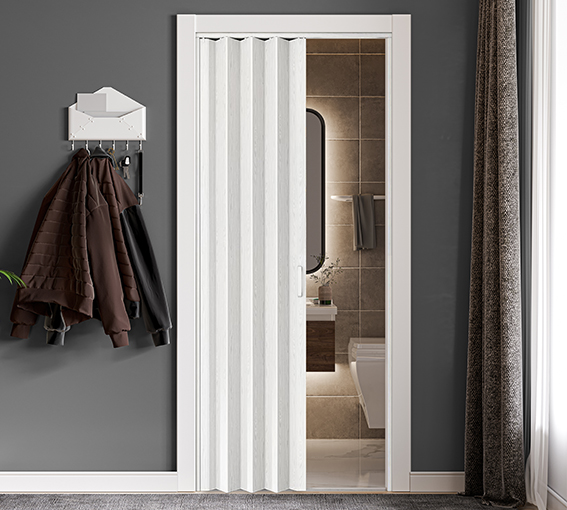
Advantages & Disadvantages Of PVC Folding Doors
PVC folding doors are a common type of interior door, utilized in both residential and commercial spaces due to their material and structural characteristics. Their advantages and disadvantages are quite evident, making them suitable for various usage scenarios. The following analysis will cover aspects such as material, functionality, installation, and maintenance to help readers better understand this product.
1.Advantages of PVC Folding Doors
(1) Relatively Low Cost
The manufacturing cost of PVC folding doors is lower, resulting in market prices that are generally more affordable than solid wood or metal doors. This makes them an economical choice for budget-conscious households or commercial establishments.
(2) Lightweight and Easy to Install
The low density of PVC material contributes to the overall lightweight nature of the folding doors. This not only reduces transportation costs but also simplifies the installation process, allowing for potential self-installation in some cases, thereby minimizing labor expenses.
(3) Good Waterproof and Moisture Resistance
PVC material inherently possesses good waterproof properties and is less prone to deformation from moisture, making it suitable for areas with high humidity, such as bathrooms and kitchens. Compared to wooden doors, PVC folding doors demonstrate greater durability in damp environments.
(4) Diverse Styles and Color Options
PVC can be produced in various colors and textures through spraying or lamination processes, such as wood grain or solid colors, catering to different decorative style requirements.
(5) Space-Saving
The opening and closing mechanism of folding doors allows them to save more space compared to hinged doors. For small units or narrow passages, folding doors can reduce the area occupied when opened, enhancing space utilization.
2.Disadvantages of PVC Folding Doors
(1) Limited Durability
Although PVC is waterproof, its impact resistance and wear resistance are inferior to those of metal or solid wood materials. After prolonged frequent use, the hinges may become loose, and the door surface may develop scratches.
(2) Average Sound Insulation
The lower density of PVC results in sound insulation performance that is not as effective as that of solid wood doors or doors with higher density fillings. If privacy or a quiet environment is a priority, PVC folding doors may not be the best choice.
(3) Poor High-Temperature Resistance
PVC tends to soften and deform in high-temperature environments, making it unsuitable for installation near heat sources, such as next to stoves or in areas with strong direct sunlight.
(4) Inferior Texture Compared to High-End Materials
While PVC can mimic wood grain or other materials, the tactile and visual effects still differ from those of solid wood or metal, which may affect the overall aesthetic quality of the decor.
3.Frequently Asked Questions
(1) Where are PVC folding doors suitable for use?
They are suitable for areas where sound insulation is not a high priority but where space-saving or waterproof properties are needed, such as bathrooms, storage rooms, and balcony partitions.
(2) What is the lifespan of PVC folding doors?
Under normal usage and maintenance conditions, the lifespan of PVC folding doors typically ranges from 5 to 10 years, depending on usage frequency and environmental conditions.
(3) How should PVC folding doors be cleaned and maintained?
Regular cleaning can be done with a damp cloth, avoiding corrosive cleaning agents. It is advisable to periodically check the hinges and tracks, lubricating them as needed to reduce wear.
4.Purchasing Recommendations
When considering the purchase of PVC folding doors, the following aspects should be taken into account:
– Observe the thickness of the door panels; generally, thicker panels offer better stability.
– Check the quality of the tracks and hinges to ensure smooth operation.
– Choose appropriate colors and surface treatments based on the usage environment.
In summary, PVC folding doors offer advantages in terms of price, weight, and waterproofing, but they have limitations in durability and sound insulation. It is essential to weigh the pros and cons in relation to individual needs before making a decision.
1.Advantages of PVC Folding Doors
(1) Relatively Low Cost
The manufacturing cost of PVC folding doors is lower, resulting in market prices that are generally more affordable than solid wood or metal doors. This makes them an economical choice for budget-conscious households or commercial establishments.
(2) Lightweight and Easy to Install
The low density of PVC material contributes to the overall lightweight nature of the folding doors. This not only reduces transportation costs but also simplifies the installation process, allowing for potential self-installation in some cases, thereby minimizing labor expenses.
(3) Good Waterproof and Moisture Resistance
PVC material inherently possesses good waterproof properties and is less prone to deformation from moisture, making it suitable for areas with high humidity, such as bathrooms and kitchens. Compared to wooden doors, PVC folding doors demonstrate greater durability in damp environments.
(4) Diverse Styles and Color Options
PVC can be produced in various colors and textures through spraying or lamination processes, such as wood grain or solid colors, catering to different decorative style requirements.
(5) Space-Saving
The opening and closing mechanism of folding doors allows them to save more space compared to hinged doors. For small units or narrow passages, folding doors can reduce the area occupied when opened, enhancing space utilization.
2.Disadvantages of PVC Folding Doors
(1) Limited Durability
Although PVC is waterproof, its impact resistance and wear resistance are inferior to those of metal or solid wood materials. After prolonged frequent use, the hinges may become loose, and the door surface may develop scratches.
(2) Average Sound Insulation
The lower density of PVC results in sound insulation performance that is not as effective as that of solid wood doors or doors with higher density fillings. If privacy or a quiet environment is a priority, PVC folding doors may not be the best choice.
(3) Poor High-Temperature Resistance
PVC tends to soften and deform in high-temperature environments, making it unsuitable for installation near heat sources, such as next to stoves or in areas with strong direct sunlight.
(4) Inferior Texture Compared to High-End Materials
While PVC can mimic wood grain or other materials, the tactile and visual effects still differ from those of solid wood or metal, which may affect the overall aesthetic quality of the decor.
3.Frequently Asked Questions
(1) Where are PVC folding doors suitable for use?
They are suitable for areas where sound insulation is not a high priority but where space-saving or waterproof properties are needed, such as bathrooms, storage rooms, and balcony partitions.
(2) What is the lifespan of PVC folding doors?
Under normal usage and maintenance conditions, the lifespan of PVC folding doors typically ranges from 5 to 10 years, depending on usage frequency and environmental conditions.
(3) How should PVC folding doors be cleaned and maintained?
Regular cleaning can be done with a damp cloth, avoiding corrosive cleaning agents. It is advisable to periodically check the hinges and tracks, lubricating them as needed to reduce wear.
4.Purchasing Recommendations
When considering the purchase of PVC folding doors, the following aspects should be taken into account:
– Observe the thickness of the door panels; generally, thicker panels offer better stability.
– Check the quality of the tracks and hinges to ensure smooth operation.
– Choose appropriate colors and surface treatments based on the usage environment.
In summary, PVC folding doors offer advantages in terms of price, weight, and waterproofing, but they have limitations in durability and sound insulation. It is essential to weigh the pros and cons in relation to individual needs before making a decision.
05
DECEMBER
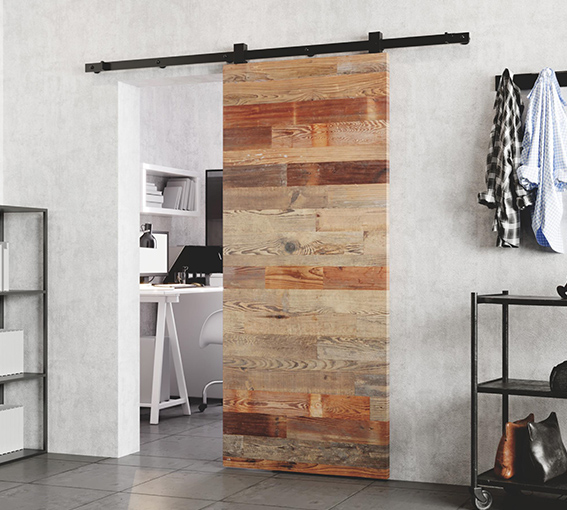
Everything You Want To Know About Barn Doors
Barn Door, based on the design of traditional barn sliding doors, has been adapted for modern homes, commercial spaces, and industrial-style decor. The main features are as follows:
1.Appearance Style: Typically made from wood and metal materials, the panels not only possess natural textures and a vintage feel but also feature modern minimalist designs. The door panels are slightly wider than the door openings, enhancing their decorative appeal. Exposed track models are often paired with vintage metal tracks and rollers, embracing their visibility as part of the design.
2.Opening Mechanism: The doors are suspended on the inner side of the track and slide horizontally, thus not occupying internal space. They are suitable for partitions, wall recesses, wardrobe doors, cabinet doors, kitchen and bathroom doors.
3.Applicable Scenarios: Ideal for tight spaces, particularly in limited layouts. Due to the width of the door panels, they are often used decoratively in modern living room partitions, studies, walk-in closets, and storage rooms.
Advantages and disadvantages are as follows:
Advantages: No need to reserve space for door swing, simple materials, and easy installation and modification.
Installation is relatively simple, and the transformation is flexible and varied.
With a distinctive style, it significantly enhances the design aesthetic of the indoor space.
However, there are some drawbacks:
– Poor density, typically resulting in gaps between the door and wall, which not only affects sound insulation but also odor isolation. This approach is not suitable for bathrooms or areas requiring high privacy.
– Limited load-bearing capacity, relying on the track and wall for support, necessitating strong wall integrity.
– There is a risk of pinching fingers, especially for children or pets, due to the gaps in the track.
Additionally, it is important to note:
– The wall must meet installation requirements, needing to be a load-bearing wall or solid wall to ensure adequate support.
– The door opening should generally accommodate wider door frames; barn doors for narrower openings may lack aesthetic and functional effectiveness.
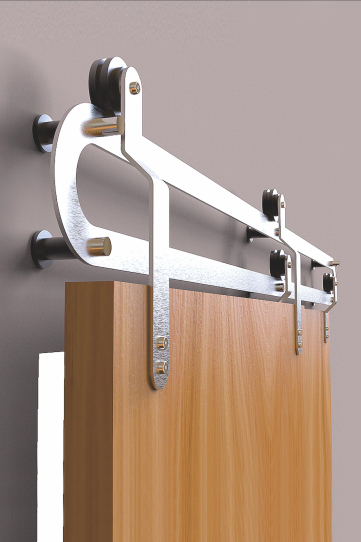
– The quality of hardware, including tracks and rollers, directly impacts the lifespan and smooth operation.
Modern Variants:
– Glass Barn Doors: Incorporating glass elements to enhance light transmission.
– Stealth Track: A simplified design with concealed tracks for added privacy.
– Double Door Operation: For larger openings, bi-fold barn doors can be utilized.
In conclusion, barn doors represent a design choice that combines decoration and practicality, suitable for spaces with limitations.
1.Appearance Style: Typically made from wood and metal materials, the panels not only possess natural textures and a vintage feel but also feature modern minimalist designs. The door panels are slightly wider than the door openings, enhancing their decorative appeal. Exposed track models are often paired with vintage metal tracks and rollers, embracing their visibility as part of the design.
2.Opening Mechanism: The doors are suspended on the inner side of the track and slide horizontally, thus not occupying internal space. They are suitable for partitions, wall recesses, wardrobe doors, cabinet doors, kitchen and bathroom doors.
3.Applicable Scenarios: Ideal for tight spaces, particularly in limited layouts. Due to the width of the door panels, they are often used decoratively in modern living room partitions, studies, walk-in closets, and storage rooms.
Advantages and disadvantages are as follows:
Advantages: No need to reserve space for door swing, simple materials, and easy installation and modification.
Installation is relatively simple, and the transformation is flexible and varied.
With a distinctive style, it significantly enhances the design aesthetic of the indoor space.
However, there are some drawbacks:
– Poor density, typically resulting in gaps between the door and wall, which not only affects sound insulation but also odor isolation. This approach is not suitable for bathrooms or areas requiring high privacy.
– Limited load-bearing capacity, relying on the track and wall for support, necessitating strong wall integrity.
– There is a risk of pinching fingers, especially for children or pets, due to the gaps in the track.
Additionally, it is important to note:
– The wall must meet installation requirements, needing to be a load-bearing wall or solid wall to ensure adequate support.
– The door opening should generally accommodate wider door frames; barn doors for narrower openings may lack aesthetic and functional effectiveness.
– The quality of hardware, including tracks and rollers, directly impacts the lifespan and smooth operation.
Modern Variants:
– Glass Barn Doors: Incorporating glass elements to enhance light transmission.
– Stealth Track: A simplified design with concealed tracks for added privacy.
– Double Door Operation: For larger openings, bi-fold barn doors can be utilized.
In conclusion, barn doors represent a design choice that combines decoration and practicality, suitable for spaces with limitations.
19
SEPTEMBER
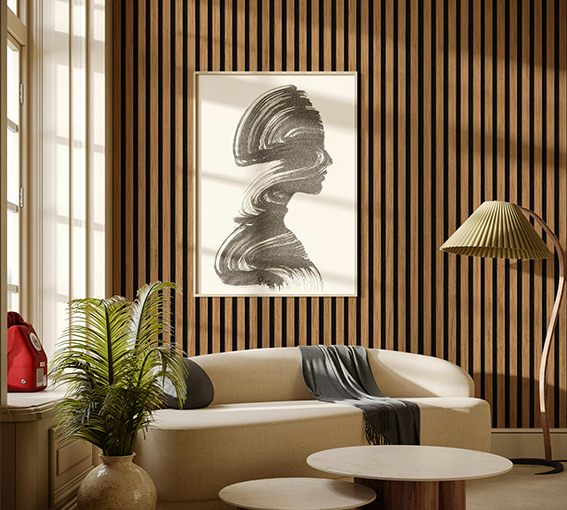
What Material Is Better For Acoustic Panels
There are many types of materials for sound-absorbing panels, and careful selection is necessary when purchasing. What material is better for sound-absorbing panels?
Wooden sound-absorbing panel:
It is finely processed based on acoustic principles and consists of a decorative surface, core material, and sound-absorbing felt.
Mineral wool sound-absorbing board:
The surface treatment forms are diverse, and the board has a strong decorative effect.
Fabric sound-absorbing panel:
The core material is centrifugal glass wool, which has been widely used as an acoustic material around the world for a long time and has been proven to have excellent sound absorption performance.
Polyester fiber sound-absorbing panel:
Its raw material is 100% polyester fiber, which has the advantages of sound absorption, environmental protection, flame retardancy, thermal insulation, easy construction, good stability, impact resistance, good independence, and high cost-effectiveness. There are a variety of colors to choose from.
Ceramic aluminum decorative sound-absorbing panel:
A special panel made of a combination of various inorganic materials, with inorganic materials as the main material. It is made by adding conductive materials such as conductive porcelain clay powder and conductive mica powder, reinforcing fibers, and using inorganic adhesives to bond and naturally cure. Multiple different decorative materials are then compounded on its surface.
Wooden sound-absorbing panel:
It is finely processed based on acoustic principles and consists of a decorative surface, core material, and sound-absorbing felt.
Mineral wool sound-absorbing board:
The surface treatment forms are diverse, and the board has a strong decorative effect.
Fabric sound-absorbing panel:
The core material is centrifugal glass wool, which has been widely used as an acoustic material around the world for a long time and has been proven to have excellent sound absorption performance.
Polyester fiber sound-absorbing panel:
Its raw material is 100% polyester fiber, which has the advantages of sound absorption, environmental protection, flame retardancy, thermal insulation, easy construction, good stability, impact resistance, good independence, and high cost-effectiveness. There are a variety of colors to choose from.
Ceramic aluminum decorative sound-absorbing panel:
A special panel made of a combination of various inorganic materials, with inorganic materials as the main material. It is made by adding conductive materials such as conductive porcelain clay powder and conductive mica powder, reinforcing fibers, and using inorganic adhesives to bond and naturally cure. Multiple different decorative materials are then compounded on its surface.