
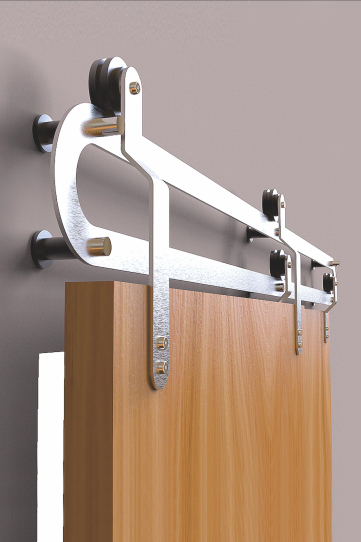
News
Contact UsSliding Pocket Door Systems: Space-Saving Design, Hardware, and Installation Tips
-
 author
- 16 June 2026

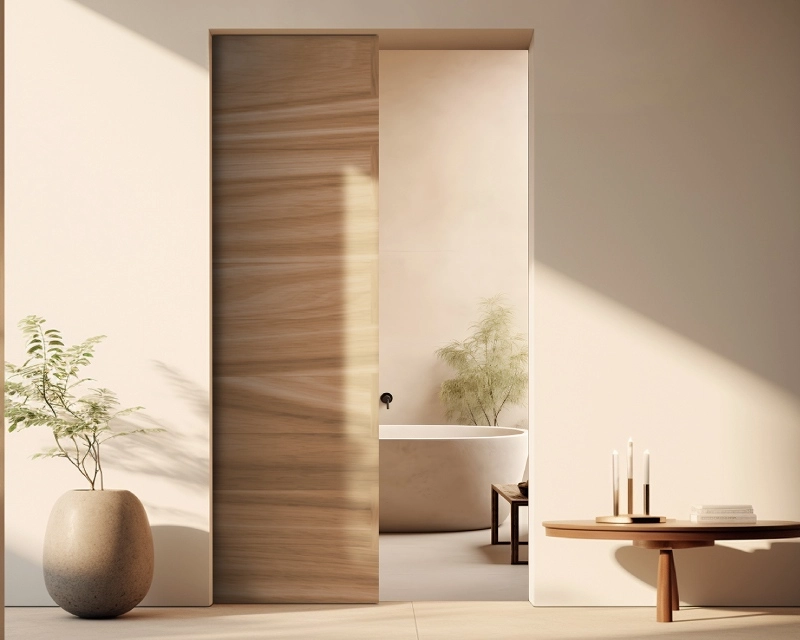 A well-designed sliding pocket door system saves floor space while keeping the door movement stable, quiet, and easy to maintain. For modern interiors, the value is not only the hidden opening style, but also the way the track, rollers, frame, and wall cavity work together.
Why Sliding Pocket Doors Save Space
Sliding pocket doors do not need space to swing open. Because of this, they save up to 14 square feet of floor space in a room. This is a huge help for small apartments. It is also great for busy offices. Our system lets the door slide smoothly into the wall cavity. The door can slide into the wall cavity when opened. This smart feature helps people walk around more easily. It also removes blocks in busy hallways.
Main Components of a Sliding Pocket Door System
Track, Rollers, Door Panel, and Cavity Frame
Every sliding pocket door system depends on structural and moving components. These parts include the track, rollers, door panel, and cavity frame. Proper alignment helps the door move smoothly and distributes the weight more evenly. Our pocket door system uses a stable reinforced frame. It also has a carefully made top track. With proper alignment and a stable top track, the door can move smoothly with a light, controlled feel. The track and roller parts control how the door moves. Meanwhile, the cavity frame keeps everything steady inside the wall.
Material Choices for Tracks and Rollers
Choosing the right materials is just as important. Aluminum tracks resist corrosion and provide stable support. At the same time, nylon or mixed rollers cut down on noise. They also help reduce premature wear. We use specific materials for the track, roller, and soft-closing parts. These materials include aluminum, steel, and plastic. We pick each mix carefully. This helps the door last longer. It also supports smoother movement over long-term use.
How the Sliding Mechanism Works
The movement principle behind a sliding pocket door is simple. The door travels in a straight line along a set path inside the wall. Ball-bearing rollers reduce friction and help the panel move more smoothly along the track. This helps reduce operating noise during daily use. It also helps the parts last much longer. Our system uses nylon rollers with ball bearings. It also has a carefully shaped aluminum track. Together, they make sure the door runs very quietly.
Getting the parts lined up right is very important. Even small mistakes can make the door stick. They can also cause parts to wear out unevenly. Because of this, installers should adjust the system during installation to keep the track level.
Wall Preparation and Installation Requirements
 Cavity Frame and Stud Alignment
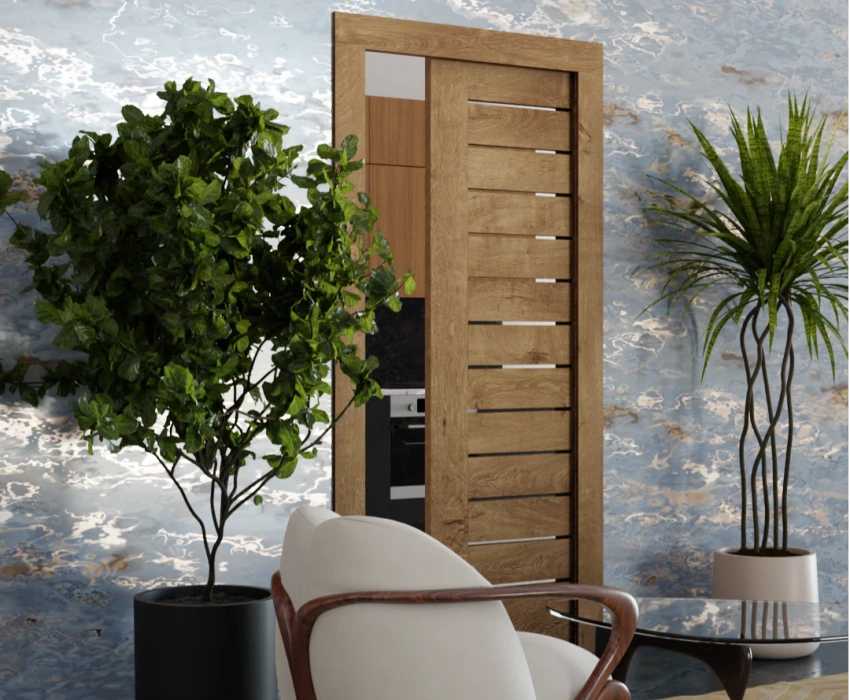 Cavity Frame and Stud Alignment
Putting a sliding pocket door into a wall takes careful planning. The cavity frame, wall studs, and drywall thickness must match. Reinforced steel frame structures or aluminum profiles help reduce frame deformation. Our kit includes a tough galvanized steel frame. It has strong upright studs. These studs stop the wall from bending. They also make sure the system stays strong for a long time.
Getting the wall space size right is a must. This keeps the door steady when it moves. Checking the weight spread stops the frame from bending later. You must plan pipes and wires carefully. Keep them away from the wall space so they do not hit the track. Every item includes clear English installation instructions. These guides are great for both professional installers and DIY users.
Removable Track Design for Maintenance
Good planning should also allow future maintenance access without damaging the wall. These paths are easy to reach. This is very important for products like our Interior Sliding Pocket Door System. This system uses a removable track design. Some removable track designs can make future maintenance easier without major wall damage, depending on the installation structure.
Design Options for Modern Interiors
Building styles inside homes have changed a lot. Modern interiors often favor simple forms where appearance follows function. Sliding pocket doors show this idea. They mix clean looks with smart moving parts.
Trimless and Shadow Gap Finishes
Simple interior design often favors hidden hardware. This helps connected rooms feel more open. For the best modern style, our system offers special finishes. You can choose a “Shadow Gap” or a “Trimless” edge. With these, no wood frame breaks the clean wall line. This smooth look fits today’s rooms. It removes messy details.
Door Panel Materials: Glass, MDF, and Solid Wood
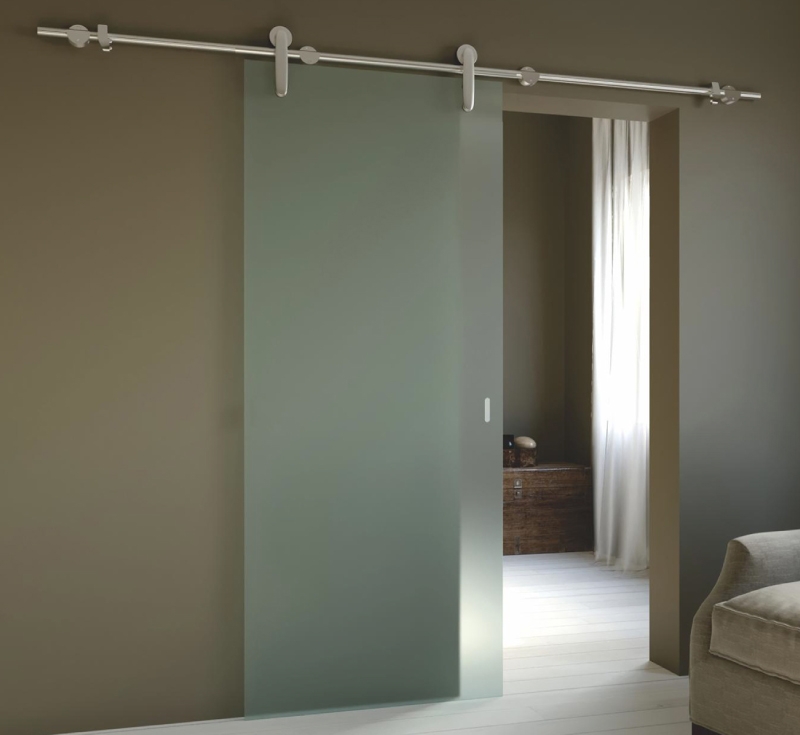
It also lets you pick different door materials. You can use glass, MDF, or solid wood to add nice textures and colors.
Performance Factors Buyers Should Check
Load Capacity and Smooth Movement
Putting the door in correctly is very important. Good building work makes sure the door runs well in real life. Our support team gives clear guidebooks. They also offer remote help through our service framework. Making the track flat helps keep the door moving in a straight path. It stops the door from drifting or sticking. Adjusting the rollers changes how easily the door glides. You set this based on how heavy the door is. Stop parts help control the opening and closing position and reduce hard impact at the end of travel.
Checking performance means testing the slide quality under steady weights. This finds early track shifts or tired bearings. Load testing helps confirm whether the system meets the intended performance requirements. This helps support safer use across residential and commercial settings.
Soft-Close Function and Noise Control
New technology keeps changing how sliding pocket doors work. This covers everything from new materials to smart machine features. Treated aluminum tracks fight rust very well. They also stay light and strong. Mixed material rollers last longer during hard use. Soft-close parts slow the door down safely. They make sure the door closes with less noise. The soft-closing function is quiet and safe. This meets what people expect for comfort in homes and businesses today.
Long-Term Maintenance
Keeping the door working well for years is our goal. Regular care is a key part of every system plan we offer. Regular checks look at how the rollers wear down. They also check the screws and the oil on the hidden tracks. Dust build-up inside the wall can slow the door. Because of this, cleaning the track often is needed. This keeps the door sliding easily. With tested rollers and proper maintenance, the system can support long-term daily use.

Why Work with Metek for Sliding Pocket Door Systems
Our skills go far beyond basic design. They include careful pre-sales planning and detailed technical modeling. Quality control should follow relevant international standards and project requirements. If you want to see our complete process, please visit Metek.
You can read more in our About Us section. It lists our relevant standards such as CE, ANSI-BHMA, FSC, and EN standards. Some product lines may be tested by third-party laboratories such as SGS or Intertek, where applicable.
We always improve our products using customer advice. Our support team checks the doors after they are put in. You can reach this team through our Contact Us page. Every talk with a customer supports our main goal. We aim to provide quiet, durable sliding systems for long-term use. We also want to keep their simple beauty.
FAQ
Q1: How do pocket doors work mechanically within limited wall space?
A1: A pocket door moves on a top track. Rollers with ball bearings hold the door up. These parts sit inside a strong frame hidden in the wall. This system lets the door hide completely. It does not need extra room outside the wall.
Q2: What materials ensure long-term durability for sliding pocket doors?
A2: We use high-quality treated aluminum tracks. We pair them with mixed nylon rollers. This match helps resist corrosion. It also slides easily. It works great for heavy doors weighing up to 100 kg each.
Q3: Can automated systems be integrated later?
A3: Yes. Our flexible design lets you add motor parts later. You can also add soft-close dampers. In systems with removable tracks, certain maintenance or upgrades may be easier without major wall damage. Buyers should confirm this structure before installation.





Our Products
Our Products
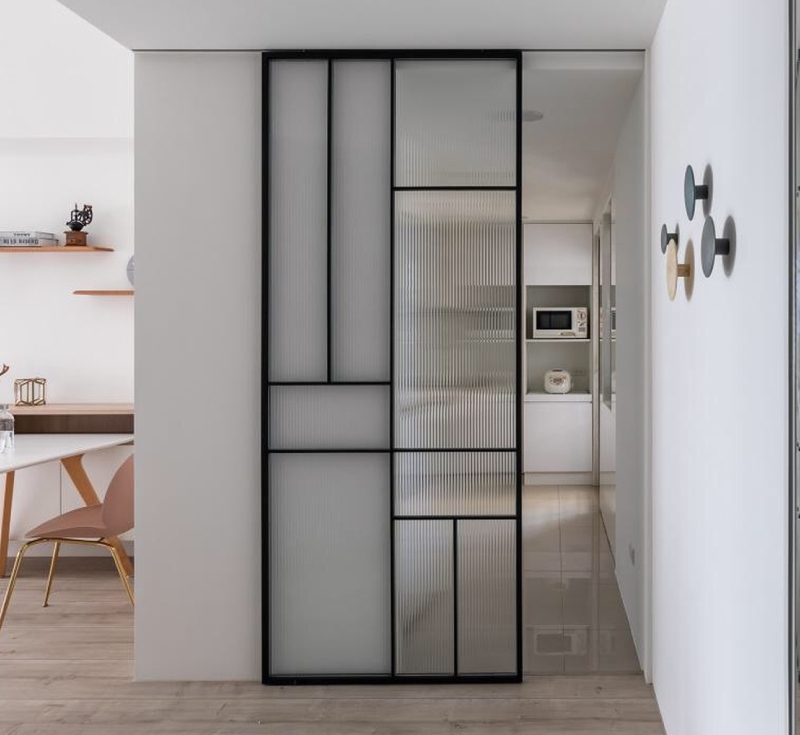
Whether you are creating a secret entrance to a home office, a seamless transition to a master suite, or a high-end divider for a modern loft, this system prioritizes architectural purity above all else. Crafted with precision-engineered dampened rollers and a heavy-duty concealed rail, it delivers a whisper-quiet glide that is as smooth as it is silent. Elevate your space with a portal that blends structural mystery with sophisticated motion—because sometimes, the most beautiful design is the one you can’t see.

our testimonials
What They Say About Us

"We trust Metek, have always had a very good relationship with each of you folks;
Metek is reliable, not only as business partner, but also friends.
You can tackle issues; you can go on and move on.
And that’s what’s we did—together with all Metek!"

"Metek is 10 years old, and we have been working with Metek for more than 8 years.
We still welcome progressing and achieve more than what we did last year.
And it is big achievement, which was done at Metek last ten years.
In the next decade, we will keep going and develop the Australian market together."

"To all Metek members
We now work six years together,we still grow together with Metek, with one of our best suppliers in China.
Why are you one of the best?
It’s because you help us to create our market; you help us to create new products; and you help us to get the right quality; you help us to wonder our issues.
You know, you are all very good educators; you understand our language; you understand us as customer.
And I think that makes the partnership show you are together.
And I hope for the next years, we can still work together, and move on together into your future creative, beautiful products."