
News
Contact UsTop 5 Hidden Details to Check Before Buying Wood Interior Doors
-
 author
- 01 July 2026

A wood interior door is easy to judge too quickly. The grain looks good, the color fits the sample board, and the surface feels right. For a showroom photo, that may be enough. For a hotel, office, apartment, or commercial project, it is not. The real questions come later. Will the panel stay flat after months of use? Is the coating right for the room? Can the hinges or sliding track carry the door weight? Will the same finish look consistent across a batch of doors? These are the details that decide whether a door feels reliable after installation. So the door should be checked as a whole system.
Look Inside the Door First
The core is hidden, but it does a lot of the work. A bedroom door may need privacy and warmth. A hotel room door may need better sound control. Metek’s solid wood door units are made from full natural timber and can be supplied with clear or painted coats. The build measures 1.57 inches thick, which helps keep the door stiff while keeping a clean profile for sliding or swinging setups.
MDF and HDF solve a different problem. They are useful when a project needs smoother surfaces, stable sizing, and better consistency across larger batches. Metek’s Mould-Pressed Wooden Door uses engineered composite cores that help reduce bending risk and accept several finish types, including clear UV coats and wood-grain veneers. The TechVeneer Finished Engineered Wood Composite Door gives buyers another option. It combines a dense engineered core with a real wood top layer. The door keeps a natural wood appearance, while the structure is easier to control than full solid timber in many project orders.
Choosing Between Solid Wood, MDF, HDF, and Engineered Veneer
Solid wood doors suit spaces where texture matters. They are often used in homes, studies, suites, and hotel interiors where the door should feel warm and substantial. Natural wood still reacts to room conditions, though. If humidity changes too much, finish quality and basic maintenance become more important.
MDF and HDF are more predictable. For apartments, offices, and hotel projects, that kind of consistency can save trouble during fitting. Engineered veneer doors sit in the middle. They keep a real wood surface while using a controlled composite core. For many project buyers, this is a practical route: the door still looks like wood, but sourcing, sizing, and cost are easier to manage.
Stability Comes from Small Construction Details
A stable wood door is not only about choosing a better species. The core, joint method, edge treatment, and hardware all affect the final result. Solid-core doors usually feel heavier and may reduce sound better than hollow-core doors. That is why they are often chosen for hotel rooms, meeting rooms, private offices, and bedrooms. The heavier feel also gives many users a stronger sense of quality.
Mortise-and-tenon structures, wooden dowel joints, layered cores, and wrapped edges are details that help to avoid deformation of doors, even when frequently used. These characteristics are not always clearly visible on a product image. It is therefore important to also take note of them when selecting doors, as they are crucial for their quality after extended use. Check all the key characteristics before ordering, such as core type, door thickness, panel weight, and edge seal. Also check the required hardware for the heaviest panels and adjust as necessary on-site if selected too late in the ordering process.
Finish Is Also Protection
A finish gives the door its final look. It also protects the surface from hand contact, cleaning, light moisture, and daily wear. In project orders, it helps keep many doors looking consistent after delivery.
UV-Cured Finishes
UV-cured finishes are often used on veneer doors. They form a harder surface while keeping the wood grain visible. In many cases, this helps improve scratch resistance and finish consistency compared with some older coating methods. A clear UV coat is useful when the project wants the natural texture to remain visible.
 Water-Based Coatings and Low-Odor Finishes
 Water-Based Coatings and Low-Odor Finishes
Water-based clear paints are often chosen for interiors where odor matters. They can provide a matte or gloss look while reducing reliance on stronger solvent-based systems. Without a stable coating process, doors in the same project may look slightly different after installation.
Scratch and Moisture Protection
Some rooms are harder on doors. Antimicrobial coating options may also be considered for clinics, hotels, or other spaces where frequently touched surfaces need easier cleaning. These choices should match the room. A bedroom door and a hotel corridor door do not need the same coating package.
Match the Door with the Room
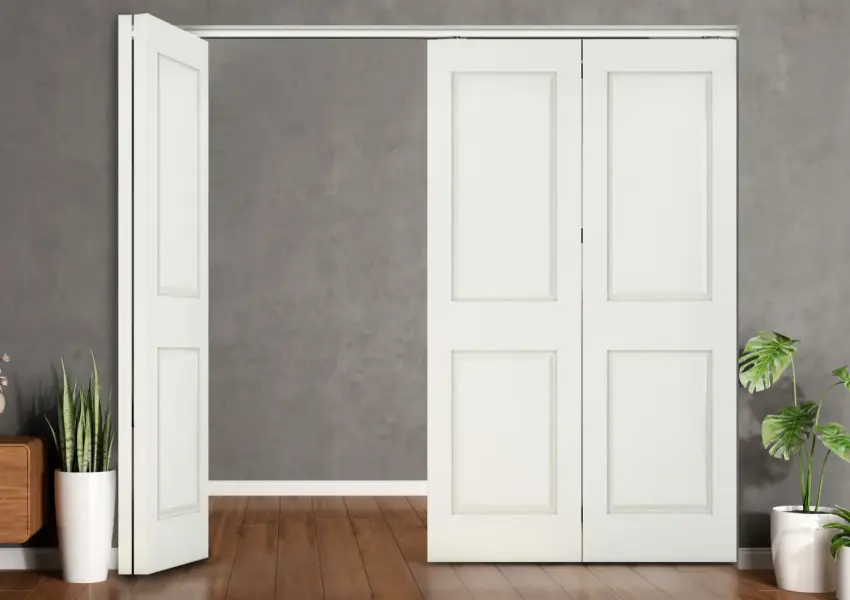
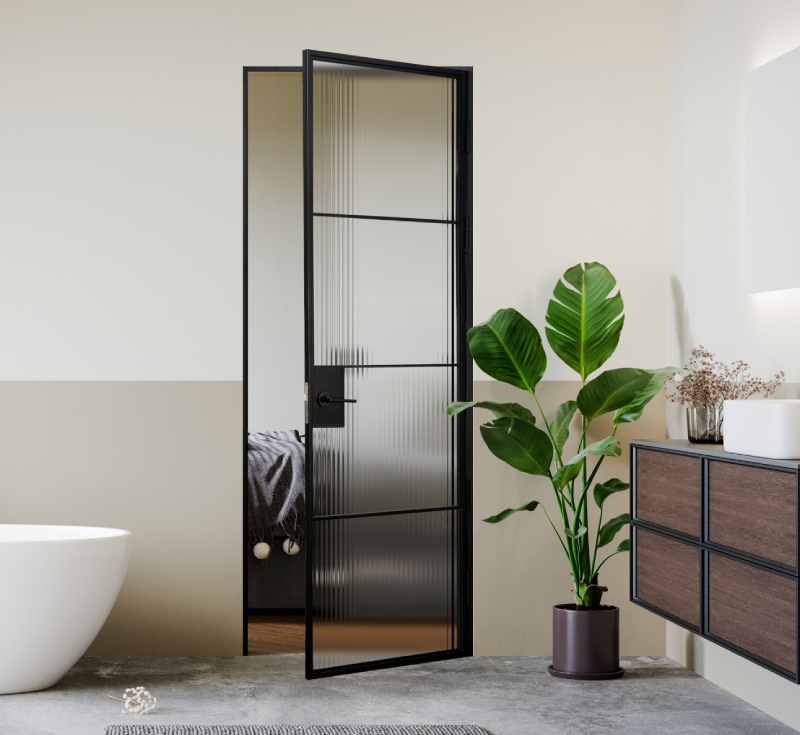
A flat panel keeps the wall line simple. A raised-panel style adds depth and works better in classic interiors. Where a room needs more light, glass inserts may help. Frosted or patterned glass keeps part of the privacy while allowing brightness through. The room should guide the choice. A hotel room may need warmth and better sound control. A private office may need a more formal look. A modern apartment may need a clean flush door.
Sound, Temperature, and Environmental Checks
A wood interior door can help with indoor comfort when the structure and installation are suitable. Filled cores and suitable edge sealing may help reduce air movement around the frame. Still, the result depends on the door, frame, seal, wall opening, and room condition together.
Environmental claims should be checked by product type. FSC-certified wood options can support responsible sourcing. Low-emission adhesives may be selected where reduced formaldehyde levels or CARB Phase II requirements apply. Applicable product lines may be produced or tested according to relevant standards such as CE and ANSI-BHMA, where required. Some product lines may also be tested by third-party laboratories such as SGS or Intertek, depending on the product and certification scope.
Installation and Hardware Compatibility
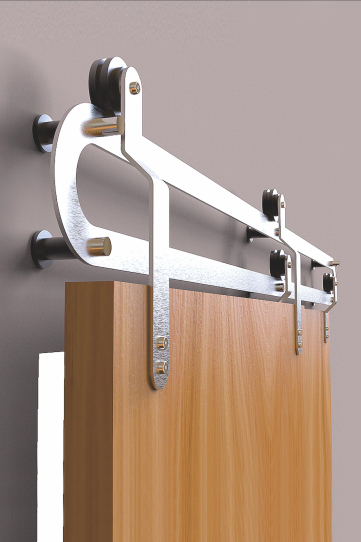
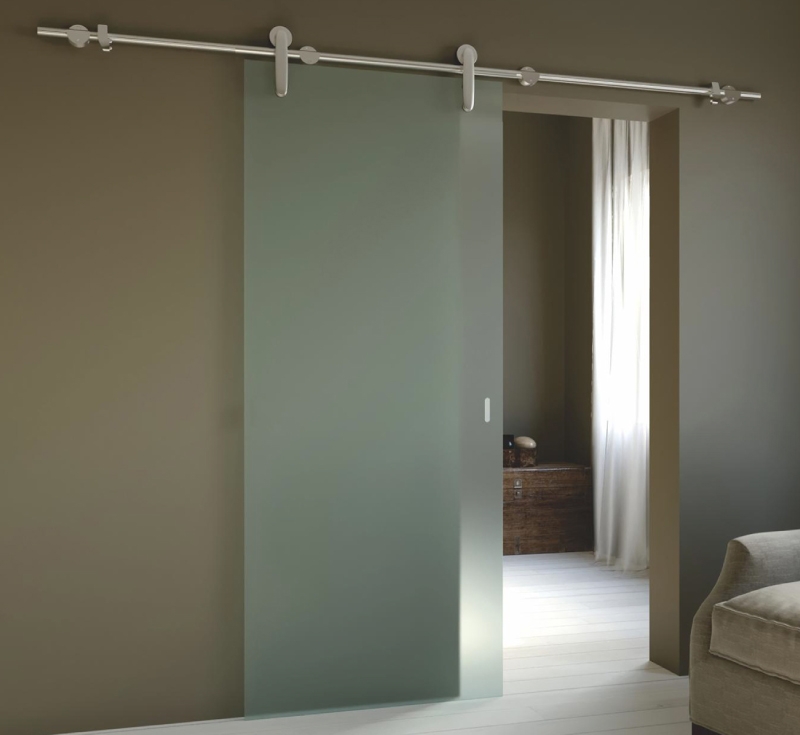
A good wood door can still perform poorly if installation is wrong. The frame needs to be square. Hinges must be positioned correctly. Sliding tracks need proper alignment. These sound like basic points, but they decide how the door feels after installation.
Factory pre-hanging can reduce site work because the door and frame are aligned before shipment. This helps in hotel, apartment, and office projects where many doors need similar fitting. In renovation work, on-site assembly may give installers more room to adjust uneven walls. Hardware should match the door structure and weight. Concealed hinges help keep the appearance clean. Magnetic catches may create a quieter close in some rooms. Smart electronic locks may be used where digital access control is needed.
Maintenance and Long-Term Use
Wood interior doors do not require any special maintenance; however, the room in which they are to be installed must be taken into consideration. The coating on the door will require periodic inspection, especially near windows, kitchens, washrooms, etc., where there is high humidity. If the clear coat does wear off in some areas, light sanding to the bare wood and refinishing with a matching finish is usually all that is required to restore the door to its original condition without having to replace it entirely.
Also important to the maintenance and long-term use of interior wood doors is the control of humidity in the room where the doors are being used. If the room environment changes dramatically from time to time, the wood will swell and shrink in size. This may cause trouble with the sound-blocking features of doors and also with the door’s operation, as it may no longer open and close properly. In such instances, it is often necessary to replace the door seals and weatherstripping in order to return the door to optimal function.
With proper installation and ongoing maintenance, your interior wood doors will provide a long service life and performance. However, as with any material used for making doors, the service life will be affected by such things as the type of material, coating, room finishes, and cleaning methods, as well as the amount of use that the doors will receive.
 Working with Metek on Wood Interior Door Projects
 Working with Metek on Wood Interior Door Projects
Hangzhou Metek Co., Ltd. works with barn doors, barn door hardware, metal frame glass doors, wooden wall planks, acoustic panels, shower rooms, resin tables, and related home improvement products. For wood interior door projects, Metek can support materials selection, finish planning, hardware matching, packaging, OEM/ODM requirements, and technical communication.
Before placing an order, buyers should confirm door structure, finish type, thickness, panel weight, frame condition, hardware requirements, packaging method, and certification details. These checks help reduce installation trouble and improve consistency across project batches. If you would like to learn more, please read this article.
FAQ
Q1: What distinguishes engineered veneer doors from traditional solid wood models?
A1: Engineered veneer doors use a stable composite core with a real wood veneer surface. This structure can improve dimensional stability compared with some full solid wood doors while keeping a natural wood appearance and more controlled cost.
Q2: How do UV-cured coatings support long-term durability?
A2: UV-cured coatings create a harder surface layer that can improve scratch resistance and finish consistency. They cure quickly under UV light, which can improve production efficiency and reduce dependence on some traditional finishing processes.
Q3: Are wood interior doors compatible with international sustainability requirements?
A3: Applicable product lines can use FSC-certified wood and low-emission materials where required. Buyers should confirm certification details, testing scope, and project requirements according to the specific door model and order conditions.





Our Products
Our Products

our testimonials
What They Say About Us

"We trust Metek, have always had a very good relationship with each of you folks;
Metek is reliable, not only as business partner, but also friends.
You can tackle issues; you can go on and move on.
And that’s what’s we did—together with all Metek!"

"Metek is 10 years old, and we have been working with Metek for more than 8 years.
We still welcome progressing and achieve more than what we did last year.
And it is big achievement, which was done at Metek last ten years.
In the next decade, we will keep going and develop the Australian market together."

"To all Metek members
We now work six years together,we still grow together with Metek, with one of our best suppliers in China.
Why are you one of the best?
It’s because you help us to create our market; you help us to create new products; and you help us to get the right quality; you help us to wonder our issues.
You know, you are all very good educators; you understand our language; you understand us as customer.
And I think that makes the partnership show you are together.
And I hope for the next years, we can still work together, and move on together into your future creative, beautiful products."