
News
Contact UsTop 5 Things to Check Before Buying Interior Sliding Doors
-
 author
- 24 June 2026

Interior sliding doors are often introduced as a way to save space. That is true, but it is not the full story. In real projects, a sliding door affects the wall line, the furniture layout, the light between rooms, and even how finished the space feels after installation.
Where Sliding Doors Help Most
The space-saving value is easiest to see in small rooms. A hinged door needs an open swing area. In a hotel bathroom, narrow corridor, apartment bedroom, wardrobe area, or office meeting room, that swing area can block something important.
A sliding door moves along the wall or into a wall cavity. The opening stays easier to use. Furniture can sit closer to the door. A corridor feels less crowded. A small room keeps more of its usable area.
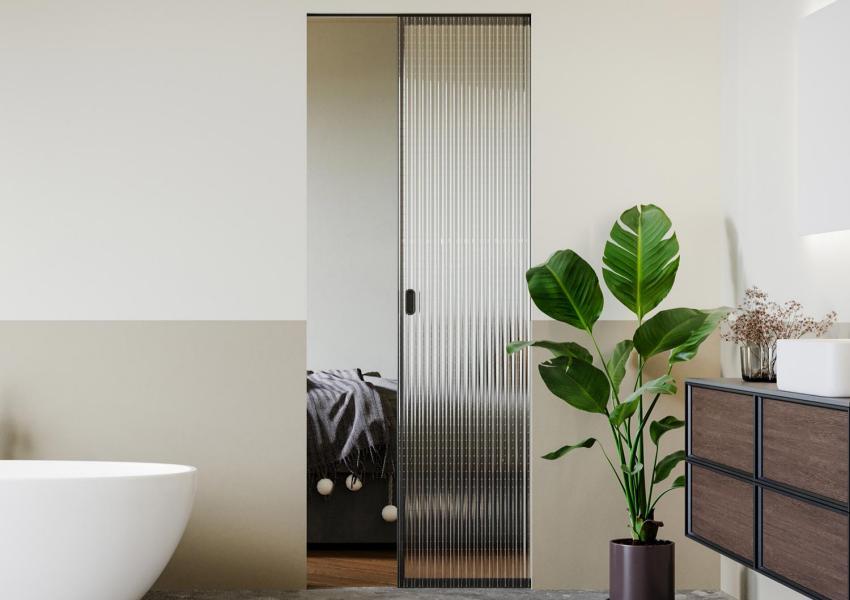
An Interior Sliding Pocket Door System is useful when the design needs a cleaner opening. Once the panel slides into the wall cavity, the doorway looks simpler. This is why pocket systems are often used in bathrooms, wardrobes, compact bedrooms, and minimalist interiors.
Hardware Is Where Many Problems Start
Many buyers choose the panel first. Glass looks modern. Wood feels warm. A black frame looks sharp. All of that matters, but the hardware decides how the door feels after months of use. A heavy panel needs a track and roller set that can carry it. A wider opening may need a bypass, bifold, or double sliding structure. A soft-close function may seem like a small detail, but in homes, offices, and hotels, it changes the daily experience.
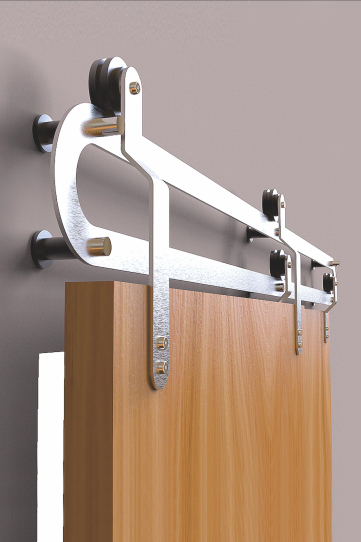
Metek’s Bifold Barn Door is a good example. It is not just two panels sliding past each other. The track, rollers, and panel weight need to work together. Before production, the basic points should be clear: door size, panel weight, opening width, wall condition, track type, roller structure, finish, soft-close requirement, packaging method, and maintenance access. These details are ordinary, but they prevent most problems later.
Panel Materials Need to Match the Room
Glass is usually chosen when light is important. Offices, kitchens, showrooms, retail spaces, and living rooms often use glass panels because they keep the space visually open. Clear glass gives the most openness. Frosted or tinted glass gives more privacy while still allowing light through. Tempered glass is commonly used for safer daily interior use compared with ordinary glass.
Wood is different. It gives a room more privacy and warmth. Bedrooms, studies, hotel rooms, and residential interiors often use wood when the door should feel more solid. Composite wood panels may be easier to maintain in some projects.
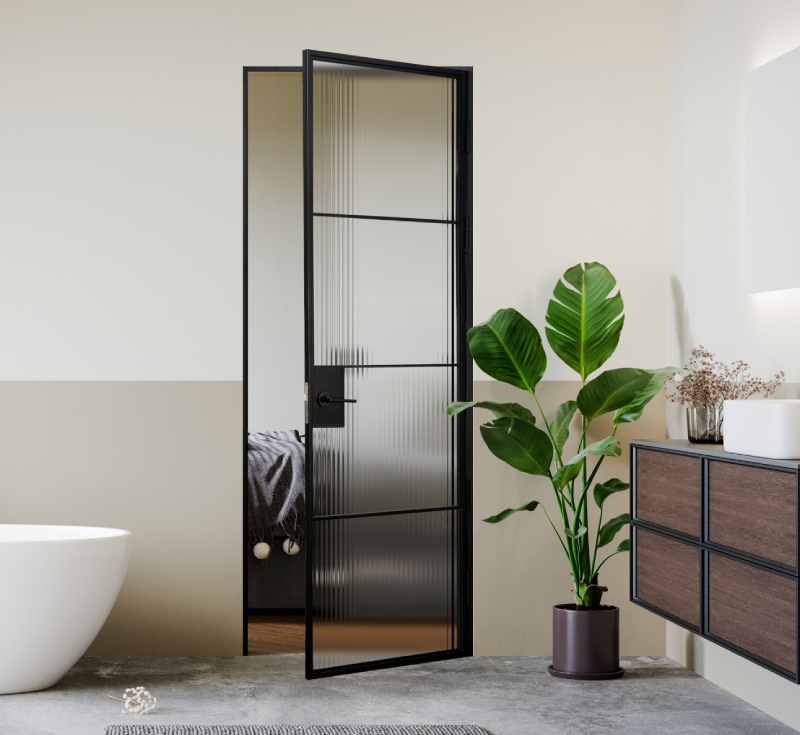
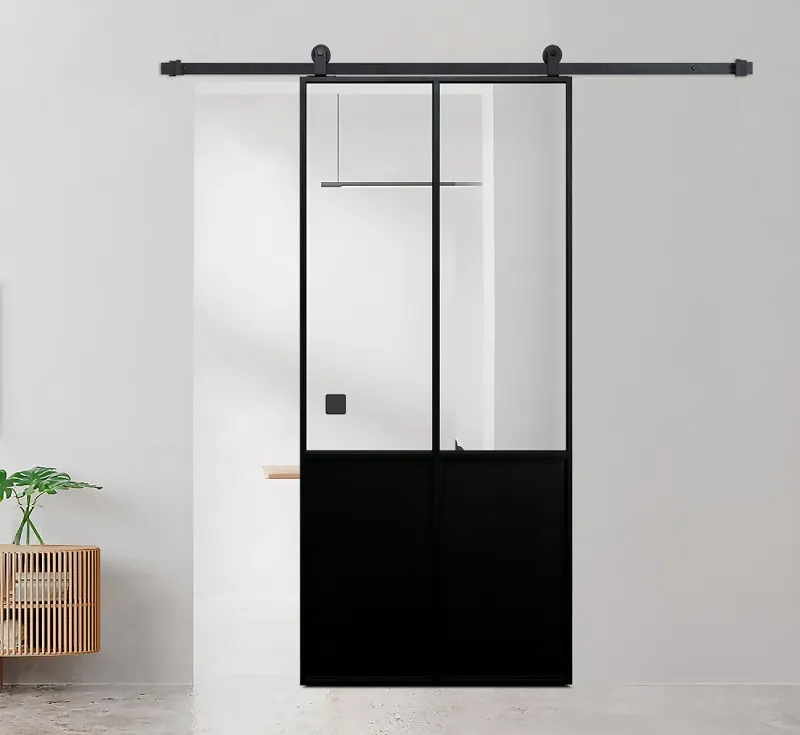
Metal-framed glass doors are often selected when the room needs a cleaner line. Aluminum or steel frames give the glass a more structured edge. They work well in minimalist, industrial, and commercial interiors. Still, the frame should match the whole room. A black metal frame can look right in a café or studio, but it may feel too heavy in a softer home interior.
A product photo can make the decision look simple. On site, it is not always that simple. A clear glass panel may not suit a private bedroom. A thick wood panel may look premium, but only if the hardware can carry it properly.
Tracks Change Both Look and Use
The track is not only a hidden technical part. It changes the appearance and the feeling of the door. Concealed tracks keep the wall line cleaner. They are often used in hotels, offices, and minimalist homes where visible hardware would feel distracting. Exposed tracks show more of the mechanism. That can work well in lofts, cafés, studios, rustic rooms, and industrial interiors.
Neither option is always better. A quiet hotel room may need concealed hardware. A restaurant may want exposed hardware because it fits the space. The more important question is whether the track suits the panel weight and whether future maintenance will be possible.
Soft-close dampers are also worth confirming early. They slow the door near the end of travel and reduce hard impact. This makes the door feel more controlled, especially in projects where the door is used many times each day. For wider openings, folding hardware can be more practical than a normal hinged door. The Folding Barn Sliding Door uses a top-hung folding structure for wider panels without requiring the same swing area as a hinged door.

Small Details Before Production
Some problems are small enough to miss during quotation but obvious after installation. The handle position is one. A handle may look fine on a drawing but feel wrong when the door is installed. Frame thickness is another. A thick frame may look strong, but it can make a soft interior feel heavy. Finish color also changes under lighting. Black hardware is popular, but brushed metal tones, neutral finishes, or custom frame colors may work better in some homes, hotels, and retail interiors.
Packaging also matters. This is especially true for export orders. A well-made door system can still arrive with scratches if the packing is weak. For OEM/ODM work, drawings, finish samples, carton design, hardware matching, and packing methods should be confirmed before production starts. It is much cheaper to fix these things before shipment than after the goods reach the job site.
Sustainability and Service Life
Sustainability is often written as a material claim. In indoor projects, service life is just as important. A product that can be used longer, maintained more easily, and replaced less often may reduce waste over time.
Applicable Metek product lines are produced under standards such as CE, FSC, ANSI-BHMA, EN 13561, EN 12600, Proposition 65, and TPCH, where relevant to the product type. FSC-certified wood options may support responsible sourcing. Recyclable aluminum components can help reduce material waste. Low-VOC coating choices may be selected for projects that care about indoor air quality.
Different rooms need different checks. Interior partitions usually focus on light, privacy, sound comfort, and smooth movement. Doors near exterior-facing areas may need more attention to glazing, seals, and frame design. These choices should follow the actual site conditions, not only a catalog image.
Working with Metek
Hangzhou Metek Co., Ltd. works with barn doors, barn door hardware, metal frame glass doors, wooden wall planks, acoustic panels, shower rooms, resin tables, and related home improvement products.
For interior sliding door projects, Metek can support product selection, hardware matching, finish options, OEM/ODM requirements, packaging planning, and technical communication. The product range includes pocket door systems, biparting double sliding barn door hardware kits, folding barn door hardware, concealed-track solutions, and metal frame glass door options.
For project buyers, the useful discussion usually starts with practical questions. How heavy is the panel? What is the wall condition? Is soft-close needed? Should the track be concealed or exposed? How will the product be packed? Once these questions are answered, the product choice becomes much safer.
FAQ
Q1: What makes a good interior sliding door system different from a basic one?
A1: Usually it is the hardware. A better panel helps, but the track, rollers, load capacity, soft-close function, and installation method decide how the door feels after daily use.
Q2: When should concealed tracks be used?
A2: Use concealed tracks when the wall line needs to stay clean, and the hardware should not stand out. They are common in hotels, offices, minimalist homes, and higher-end residential interiors. Wall structure and maintenance access should be checked first.
Q3: Can eco-friendly materials work in high-use sliding door projects?
A3: Yes, but the material still has to fit the project. FSC-certified wood options, recyclable aluminum components, and low-VOC coating choices can be used in suitable product lines. Certification details should be confirmed before ordering.





Our Products
Our Products

our testimonials
What They Say About Us

"We trust Metek, have always had a very good relationship with each of you folks;
Metek is reliable, not only as business partner, but also friends.
You can tackle issues; you can go on and move on.
And that’s what’s we did—together with all Metek!"

"Metek is 10 years old, and we have been working with Metek for more than 8 years.
We still welcome progressing and achieve more than what we did last year.
And it is big achievement, which was done at Metek last ten years.
In the next decade, we will keep going and develop the Australian market together."

"To all Metek members
We now work six years together,we still grow together with Metek, with one of our best suppliers in China.
Why are you one of the best?
It’s because you help us to create our market; you help us to create new products; and you help us to get the right quality; you help us to wonder our issues.
You know, you are all very good educators; you understand our language; you understand us as customer.
And I think that makes the partnership show you are together.
And I hope for the next years, we can still work together, and move on together into your future creative, beautiful products."